
September Newsletter
HOT TOPIC - KICK OFF A HEALTHY FALL
Building Skills Beyond The Game
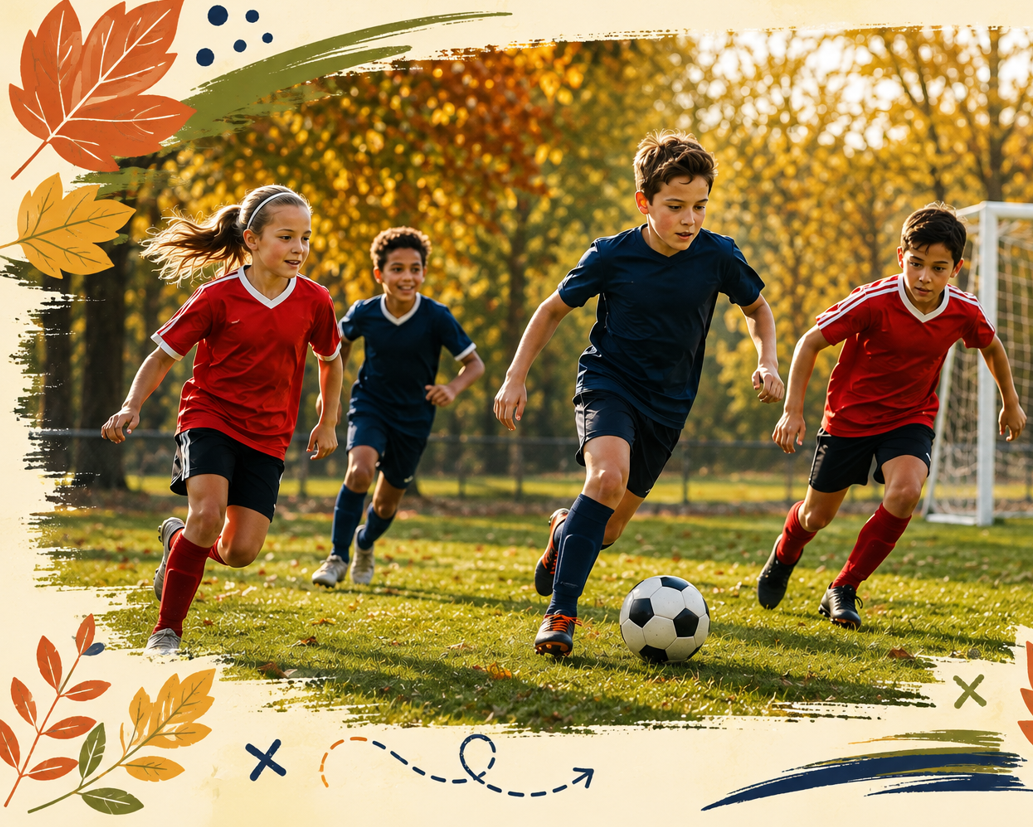
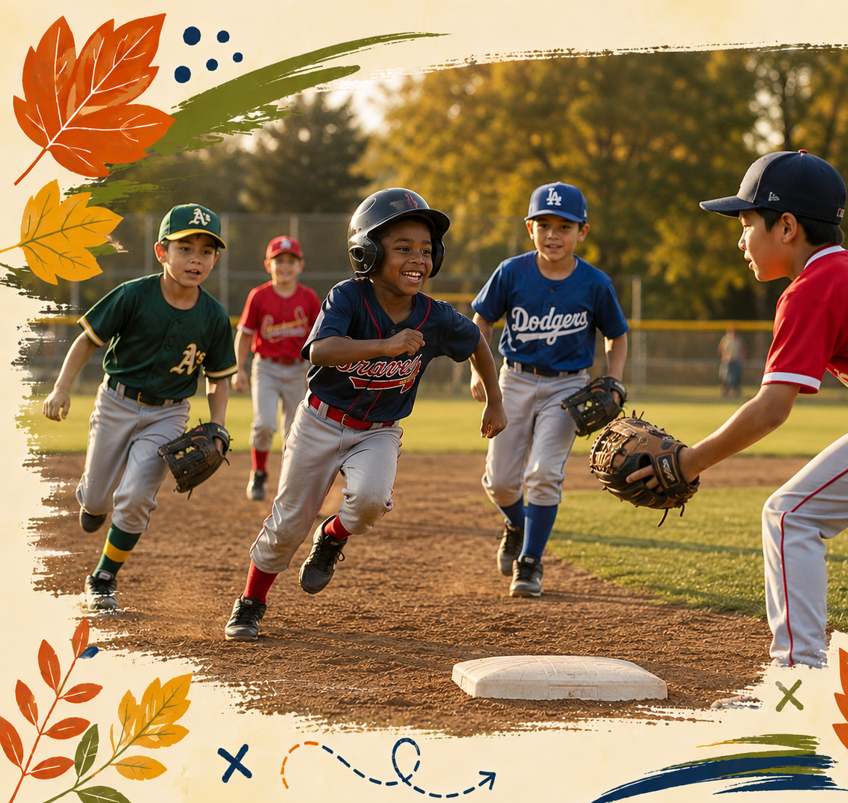
Fall sports are a great way for kids to stay active, build confidence, and have fun - but the movement skills they develop go far beyond the field or court!
⚽ Balance & Coordination
Running, kicking, throwing, catching, and changing directions all help kids develop balance and coordination that carry over into everyday activities.
⚽ Strength Through Play
Climbing at the playground, riding bikes, jumping, and active outdoor play can build the same muscles kids use during their favorite sports.
⚽ Practice Both Sides
Encourage kids to kick, throw, reach, or balance using both sides of their body. This helps develop body awareness and well-rounded movement skills.
⚽ Keep It Fun
Not every movement needs to be practice! Backyard games, family walks, obstacle courses, or playing catch are great ways to keep kids moving without the pressure of competition.
⚽ Celebrate What Their Bodies Can Do
Every child develops movement skills at their own pace. Focus on effort, confidence, and having fun rather than being the fastest, strongest, or best player.
⚽ Movement Is More Than Sports!
Whether your child is scoring goals, playing at the park, or jumping in a pile of leaves, every opportunity to move helps build strength, confidence, coordination, and lifelong healthy habits.
MOVEMENT MATTERS - PT PRO TIPS
Game On: Fall Tips & Tricks
By: Maddie McCraken, Physical Therapist
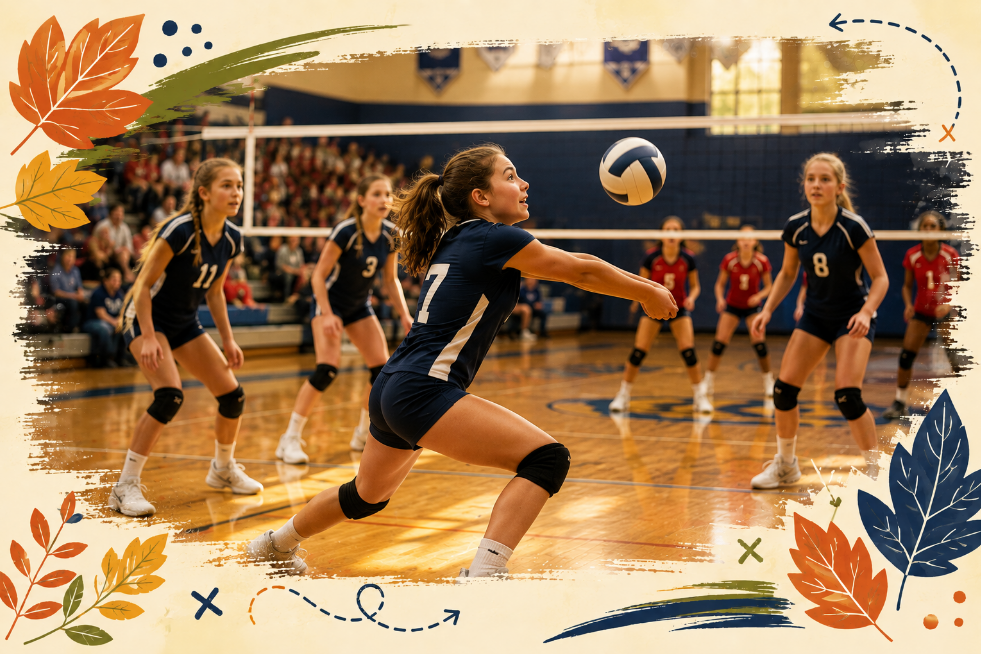
As summer winds down and fall sports kick into gear, practices, games, and busy weekends are back! A little preparation can help kids stay strong, healthy, and ready to play.
🏐 Ease Back Into Activity
Gradually increase activity over several weeks instead of jumping straight into a full schedule. Focus on flexibility, strength, balance, and endurance.
🏐 Warm Up & Cool Down
Taking a few minutes to warm up before activity and cool down afterward can help reduce the risk of strains, sprains, and overuse injuries.
🏐 Listen to the Body
Some soreness is normal, but discomfort that lasts more than a day or two may mean the body needs extra recovery time.
🏐 Fuel for the Field
Make injury prevention a family effort! Encourage plenty of water, nutritious foods, and quality sleep to keep growing athletes energized and ready to go.
🏐 Build a Strong Foundation
Simple exercises that strengthen the hips, core, and shoulders can improve movement and help athletes perform their best on the field or court.
🏐 Most Importantly - Have Fun!
Fall sports are about more than competition. Whether you’re practicing skills in the backyard, playing on a team, or cheering from the sidelines, staying active is a great way to build healthy bodies and family connections.
Start gradually. Stay strong. Have fun. And enjoy a happy, healthy fall sports season!
EVERYDAY OT
Fall Sports: Preparing the Body & Brain
By: Taylor Mitzel, COTA/L CCATP-CA
Mentored SOS Approach to Feeding Professional
Certified Clinical Anxiety Treatment Professional
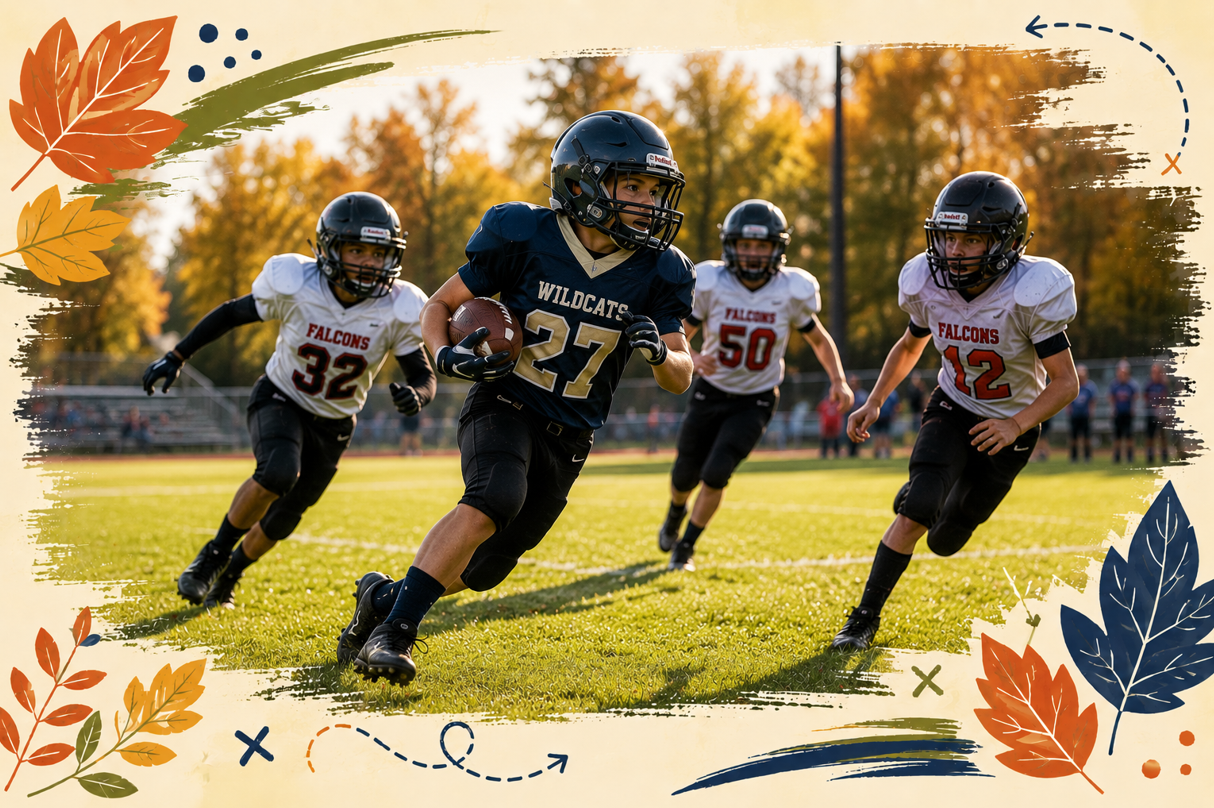
As fall sports get underway, children are preparing for more than just the physical demands of practices and games. Sports also require attention, body awareness, flexibility, emotional regulation, and the ability to manage sensory input in busy environments. A few simple strategies can make practices and games more successful!
Before Practice or Games
A short warm-up helps prepare the muscles, joints, nervous system, and brain for activity.
🏈 Try 5–10 minutes of:
- Walking or jogging
- Animal walks (ie. bear crawls, crab walks, elephant stomps, bunny hop etc.)
- Arm circles
- Yoga Stretches
- Dance break
- Deep breaths
OT Tip: Movement before practice can help children become more organized and alert. For children who have difficulty transitioning into activities, a consistent warm-up routine can help their nervous system shift into a “ready to participate” state.
🏈 Encourage children to:
- Warm up before intense activity
- Use properly fitted equipment and supportive footwear
- Drink water regularly
- Take breaks when needed
- Increase activity gradually
- Listen to their bodies and tell an adult if something hurts
🏈 Helpful strategies may include:
- Deep breathing
- Taking a short break
- Drinking water
- Wall pushes, jumping jacks, tensing muscles and releasing, or other heavy work
- Quiet space away from the action
- Fidgets or other familiar sensory tools
- Positive self-talk
- A predictable pre- and post-practice routine
OT Tip: When a child's nervous system is overwhelmed, reasoning and problem-solving can become more difficult. Regulate first, then problem-solve. Helping the body feel safe and organized can make it easier for the child to listen, communicate, and try again.
🏈 After Practice: Recover & Recharge
The body and brain need time to recover after physical and emotional exertion. Encourage:
- Water and a nutritious snack or meal
- Gentle stretching or movement
- A calm transition home
- Time to decompress
- Adequate sleep
A predictable routine such as Practice → Water/Snack → Change → Quiet Time → Dinner → Bedtime can help the nervous system transition from high activity back to a calmer state.
OT Takeaway: Sports are about more than physical skills. Children are also practicing regulation, flexibility, frustration tolerance, body awareness, attention, teamwork, and resilience.
A prepared body + regulated nervous system + appropriate coping tools can help children participate more successfully and enjoy the experience.
Instead of focusing only on the score, try asking:
“What did you work hard on today?”
“What was challenging?”
“How did you handle a mistake?”
“What are you proud of?”
Speech Therapy Corner
Could Your Child Have a Language Disorder You Haven't Noticed?
By: Ben Schmidt, CCC-SLP
Speech-Language Pathologist
Did you know that language difficulties can be easy to miss, even for attentive parents? A recent study following 385 kindergartners found that among children who tested as having real language difficulties, only about 4 in 10 parents reported having any concerns.
This isn't a sign that parents weren't paying attention. The researchers found that language difficulties are simply less visible than other challenges. A child who struggles to follow multi-step directions may not look "behind" - they may just look distracted or like they weren't listening.
⚾ Signs your child may have a language disorder include:
- Difficulty understanding directions at home or school
- Trouble putting thoughts into words or expressing ideas clearly
- Seeming inattentive, when the real issue may be understanding what's being said
- Some difficulty with early reading skills, like sounding out words
These signs don't necessarily mean something is wrong — children develop at different rates. But if several sound familiar, it's worth mentioning to your child's pediatrician or teacher with the start of the school year. Research shows that when parents do raise concerns, they are usually picking up on something real.
⚾ A tip to support language development at home:
Narrate what you're doing together, and gently expand on what your child says. If your child says "dog run," you might respond, "Yes, the dog is running fast!" This kind of everyday back-and-forth exposes children to richer vocabulary and sentence structure in a natural way.
Meet The Team

Maddie McCraken
Physical Therapist
Meet Maddie, one of our dedicated pediatric physical therapists! Maddie is passionate about helping children reach their full potential through compassionate, evidence-based care.
Maddie earned her Bachelor of Science in Kinesiology from California State University, Fullerton, followed by her Doctor of Physical Therapy from Azusa Pacific University in 2023. Her clinical experience includes both adult orthopedic and pediatric settings.
At SkyBreak, Maddie loves making therapy fun, thoughtful, and meaningful while building strong relationships with children and their families. She has a special interest in early intervention and primitive reflex integration and enjoys continuing to learn new skills and collaborating with the SkyBreak team.
A little more about Maddie: When she’s not at the clinic, you can find her cooking, traveling, enjoying movies, shows, books, and other media, or spending time with her husband and family.
We’re so grateful to have Maddie as part of the SkyBreak Therapy team!
We Are Growing


Stay Connected
Leave a Google Review
Share your experience with SkyBreak Therapy on Google and receive a Starbucks Gift Card as our thank you. Simply leave your review and let our front desk or team know to claim your gift card.
Refer a Friend
Know a family who could benefit from therapy services? When your referral becomes a client, you’ll receive a $50 groceries gift card to Winco or Walmart as a thank you for helping us connect with more families in our community.
Don’t Miss Our Monthly Giveaways
Be sure to follow us on social media for therapy tips, clinic updates, family resources, and fun monthly giveaways!
You can also visit our website's VIP Giveaways page to see our current promotions, giveaways, and special offers happening at SkyBreak Therapy. Be sure to check back often so you don't miss out!
VIP Giveaways: SkyBreakTherapy.com