
November Newsletter

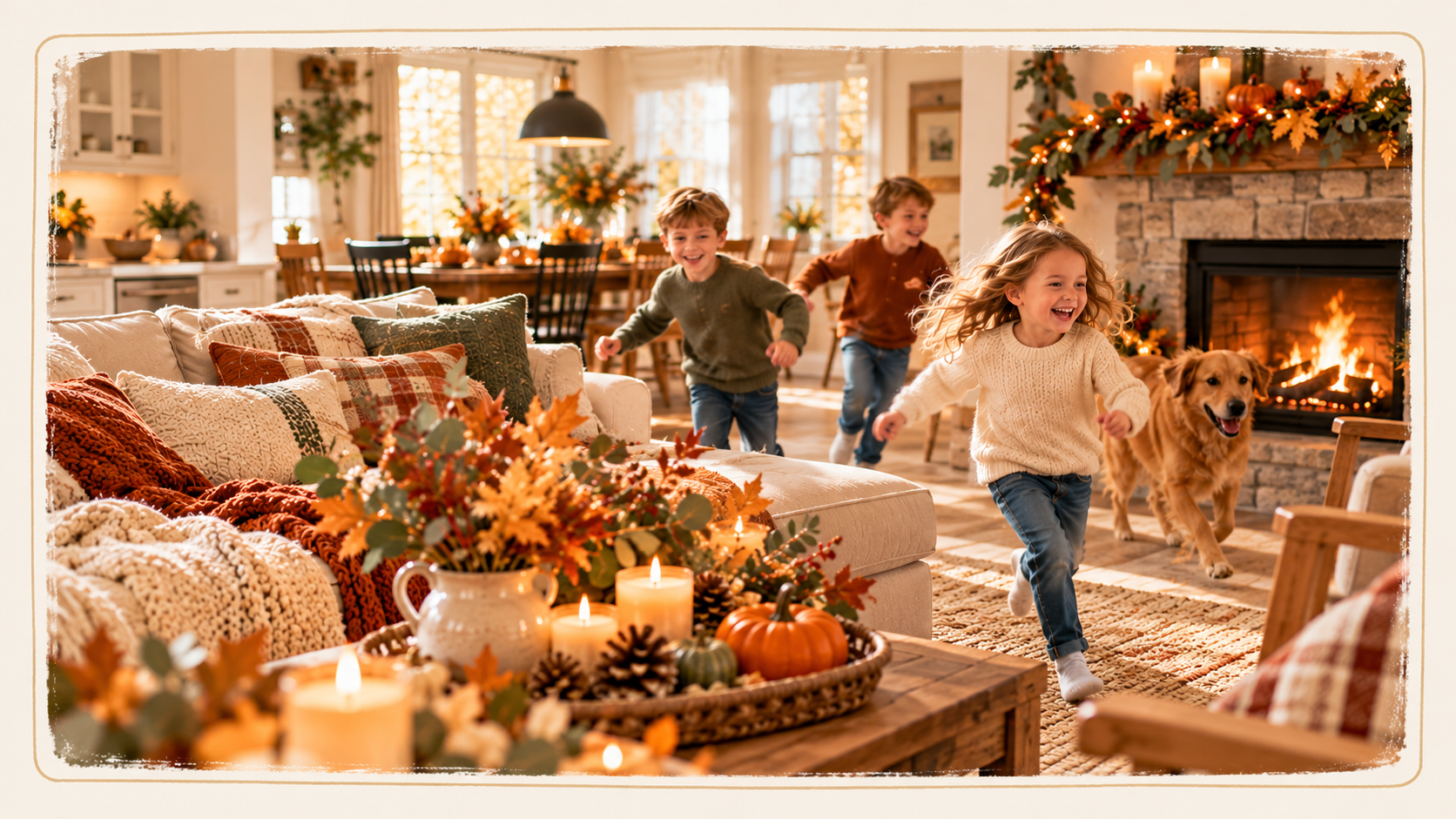
HOT TOPIC - HOLIDAY STRESS
Helping Little Ones Thrive This Holiday Season
Simple Strategies for a Happier Holiday Season
The holidays bring excitement, family gatherings, delicious food, and cherished traditions. But for children, especially those with sensory sensitivities or difficulty adjusting to change, the busy season can also feel overwhelming.
From an therapy perspective, helping children manage holiday stress means creating opportunities for predictability, independence, and emotional regulation. Here are a few simple ways to help your child enjoy the season with less stress.
Keep Expectations Predictable
Holiday routines often look different from everyday life. Prepare your child for upcoming activities by talking through what to expect. Visual schedules, countdowns, or simple reminders like “First we're visiting Grandma, then we're coming home” can help ease anxiety and make transitions smoother.
Give Kids Choices
Children can feel overwhelmed when so much of their day is planned for them. Offering small, manageable choices helps them feel more in control. Let them choose between two holiday outfits, decide which activity to participate in, or pick a familiar food to bring to a family gathering. Helping them choose clothes the previous night for the next day can make a morning run more smoothly. A little independence can go a long way!
Make Holiday Gatherings Sensory-Friendly
Bright lights, loud conversations, unfamiliar foods, and crowded spaces can be a lot for children to process. Pay attention to your child's sensory preferences and plan ahead. Noise-reducing headphones, comfortable clothing, and familiar snacks can help make gatherings more enjoyable. Remember, it's okay to skip an activity or leave early if your child has reached their limit.
Practice Social Situations Ahead of Time
Holiday gatherings often involve greeting relatives, answering questions, and interacting with unfamiliar people. Practice these situations at home through pretend play or simple conversations. Let your child know that a wave, smile, or verbal greeting is just as acceptable as a hug. Giving children options helps build confidence while respecting their personal boundaries.
Let Kids Help With Holiday Preparations
Involving children in simple holiday tasks can build confidence and important everyday skills. Decorating cookies, setting the table, wrapping gifts, or sorting holiday decorations can support fine motor skills, organization, planning, and independence. Choose age-appropriate tasks and focus on participation rather than perfection.
Remember: Connection Over Perfection
The most meaningful holiday memories don't come from perfectly planned activities. They come from feeling safe, included, and understood.
At SkyBreak Therapy, our therapists help children develop the skills they need to participate confidently in everyday activities, navigate sensory challenges, and manage big emotions.
This holiday season, a little preparation, flexibility, and understanding can make a big difference!

MOVEMENT MATTERS - PT PRO TIPS
Move, Breathe & Reset: Managing Holiday Stress Through Movement
By: Maddie McCracken, Clinical Manager and Physical Therapist
The holidays can bring excitement, busy schedules, and sometimes a little extra stress! For children, stress often shows up physically through muscle tension, restlessness, changes in breathing, fatigue, or difficulty calming down.
The good news? Simple movement and breathing activities can help!
From a physical therapy perspective, gentle movement, mindful breathing, and stretching can help the nervous system shift from feeling overwhelmed to a calmer, more balanced state.
Try these simple stress-relief strategies with your child:
- Take a Deep Breath: Practice slow belly breathing to help the body relax.
- Stretch It Out: Gentle neck rolls, shoulder movements, and stretching can release built-up tension.
- Get Moving: Take a family walk, dance to a favorite song, or enjoy a quick movement break.
- Pause & Reset: Encourage short breaks throughout busy holiday activities to help your child recharge.
Small movements can make a big difference!
Incorporating these simple activities into your family's holiday routine can help reduce physical tension, support emotional regulation, and encourage calmer, more focused moments.

EVERYDAY OT
Creating a Calm-Down Corner at Home
By: Connie Bailey, Clinical Director and Occupational Therapy Assistant (COTA)
A small, cozy space can give your child a big tool for handling big feelings.
Every child gets overwhelmed sometimes. A noisy grocery store, a tough homework assignment, or a sibling who won't share can push even the calmest kid past their limit. For children with sensory processing differences, autism, ADHD, anxiety, or developmental delays, those moments can come more often and feel more intense
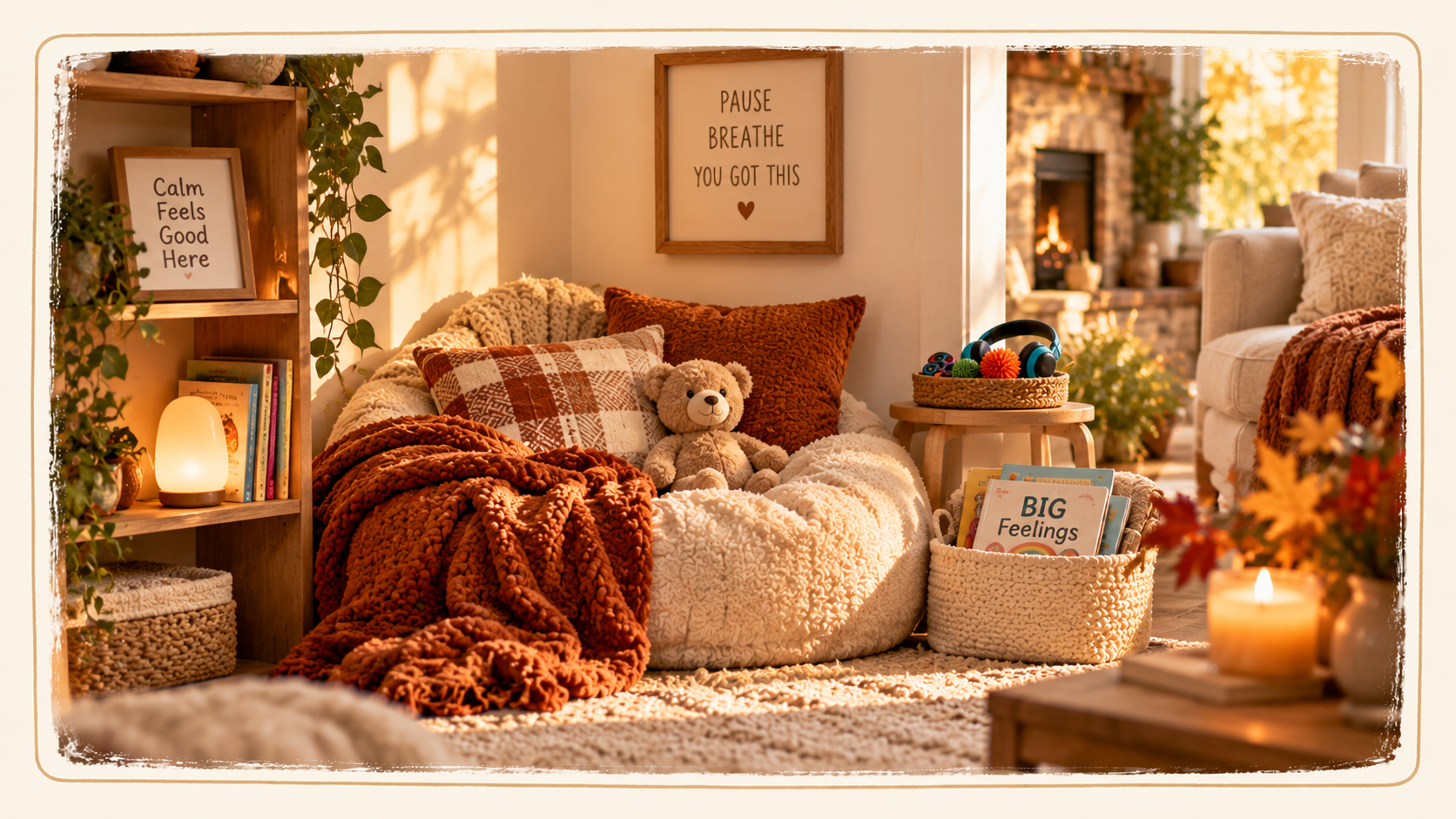
A quiet corner (sometimes called a calm-down corner or cozy corner) is a dedicated spot in your home where your child can go to reset. It gives the nervous system a break from noise, light, and demands, and it teaches a lifelong skill: noticing when you need a pause and knowing how to take one.
Step 1: Pick the spot
You don't need a spare room. A corner of the living room, the space beside a bed, or even a closet with the door removed can work. Look for a spot that is:
Away from heavy traffic like the TV, kitchen, or front door
Within view of a grown-up so your child feels safe, not sent away
Easy to soften: dimmer lighting and fewer things on the walls
Defined: a small tent, canopy, bookshelf, or rug helps the space feel like its own little world
Step 2: Stock it with calming tools
Keep it simple: four to six items is plenty. Too many choices can be overstimulating. Choose tools that match how your child calms best.
Rotate items every few weeks to keep the space inviting, and let your child help choose what goes in. Kids are more likely to use a space they helped create.
Step 3: Teach your child how to use it
The most important rule: a quiet corner is not a time-out. It's a place to feel better, not a punishment. If it's used for consequences, children learn to avoid it.
- Introduce it when everyone is calm. Explore the space together, try each tool, and practice slow breathing.
- Use simple language. "When your body feels too big or too fast, the cozy corner can help it feel calm again."
- Model it yourself. "I'm feeling frustrated. I'm going to sit and take three deep breaths."
- Offer, don't send. "Would the cozy corner help right now?" Some kids want you nearby; others need a few minutes alone.
- Reconnect afterward. Once calm, talk briefly about what happened and praise them for taking a break.
Expect it to take weeks of practice before your child goes there on their own. That's normal, and every small step counts.
Tips for success
- Toddlers and preschoolers: Keep tools big, soft, and simple. Sit with them and calm together.
- School-age kids: Add a feelings chart, journal, or timer so they can decide when they're ready to return.
- Kids who seek movement: Some children calm through motion. A rocking chair, wobble cushion, or a few wall push-ups may work better than sitting still.
- On a budget: A laundry basket full of pillows, a sheet draped over two chairs, or a homemade sensory bottle (water, glitter, and a securely glued lid) work just as well as store-bought items.
- Safety first: Choose age-appropriate items, avoid small parts for young children, secure furniture to the wall, and always supervise weighted items.
Speech Therapy Corner
Helping Kids Communicate During Holiday Stress
By: Emily Chapman M.S. CCC-SLP, Speech Language Pathologist
The holidays can be exciting, but they can also be a lot for kids. New people, busy gatherings, unfamiliar routines, loud environments, and changes to their usual schedule can make it harder for children to communicate what they need-especially when they are already feeling overwhelmed.
Here are some tips from our SLPs to use this holiday season:
Give them the words before they need them.
Practice simple, functional phrases when your child is calm, such as:
- “I need a break.”
- “Too loud.”
- "I’m all done.”
- “Help me.”
- “I need space.”
For children who use AAC, gestures, signs, or other forms of communication, make sure these messages are available on their communication system and model them throughout the day.
Watch for communication beyond words.
When children become overwhelmed, they may have a harder time using language. Instead of waiting for them to tell us what is wrong, look for changes in behavior, body language, facial expressions, or attempts to escape an activity. These behaviors can be meaningful communication.
Model instead of repeatedly asking questions.
During a busy gathering, instead of asking, “What's wrong? Do you want to go home? Are you tired? Are you overwhelmed?” try modeling:
“It’s really loud. You can tell me, ‘break.’
This reduces the pressure to answer while still giving your child language they can use.
Build in breaks before they are needed.
Self-regulation is easier when we don't wait until a child is completely overwhelmed. Let your child know where they can go for a quiet break, and offer breaks proactively during long or busy events.
Most importantly, remember that communication and regulation go hand in hand. A child who has a reliable way to communicate “no,” “help,” “break,” or “all done” has more control over their environment—and that can make stressful situations feel much more manageable.
This holiday season, focus less on expecting children to “handle” every situation and more on giving them the tools and support they need to communicate through it!
Meet The Team

Emily Chapman
Clinic Manager (Boise) & Speech-Language Pathologist
Meet Emily! With over a decade of experience as a pediatric Speech-Language Pathologist, Emily is passionate about helping children and families on their communication journeys. She specializes in early language development, autism, and supporting individuals with complex communication needs through Augmentative and Alternative Communication (AAC).
Emily earned her Master's degree in Speech-Language Pathology from Penn State University in 2012. She completed her Clinical Fellowship in Erie, Pennsylvania, focusing on AAC, before moving to Seattle in 2013 to work in early intervention and pediatric outpatient therapy.
In 2016, Emily and her husband moved to Boise, Idaho, where they've happily called home ever since!
A Few Fun Facts About Emily!
Dog Lover: Emily and her husband adore their golden retriever, Huck!
Outdoor Enthusiast: She loves hiking and paddleboarding.
Bookworm: Emily is an avid reader and usually has her nose in a book!
Music Lover: She and her husband enjoy collecting vinyl records.
We're so grateful to have Emily as part of the SkyBreak Therapy team! Her experience, dedication, and passion for helping children communicate make her an invaluable part of our clinic.
We Are Growing


Stay Connected
Leave a Google Review
Share your experience with SkyBreak Therapy on Google and receive a Starbucks Gift Card as our thank you. Simply leave your review and let our front desk or team know to claim your gift card.
Refer a Friend
Know a family who could benefit from therapy services? When your referral becomes a client, you’ll receive a $50 groceries gift card to Winco or Walmart as a thank you for helping us connect with more families in our community.
Don’t Miss Our Monthly Giveaways
Be sure to follow us on social media for therapy tips, clinic updates, family resources, and fun monthly giveaways!
You can also visit our website's VIP Giveaways page to see our current promotions, giveaways, and special offers happening at SkyBreak Therapy. Be sure to check back often so you don't miss out!
VIP Giveaways: SkyBreakTherapy.com